Inflation in Kenya fell to 4.3%in February after declines in energy prices and transport fares.
Annual food inflation held steady at 7.3% in February, driven by rising vegetable prices over the past year.
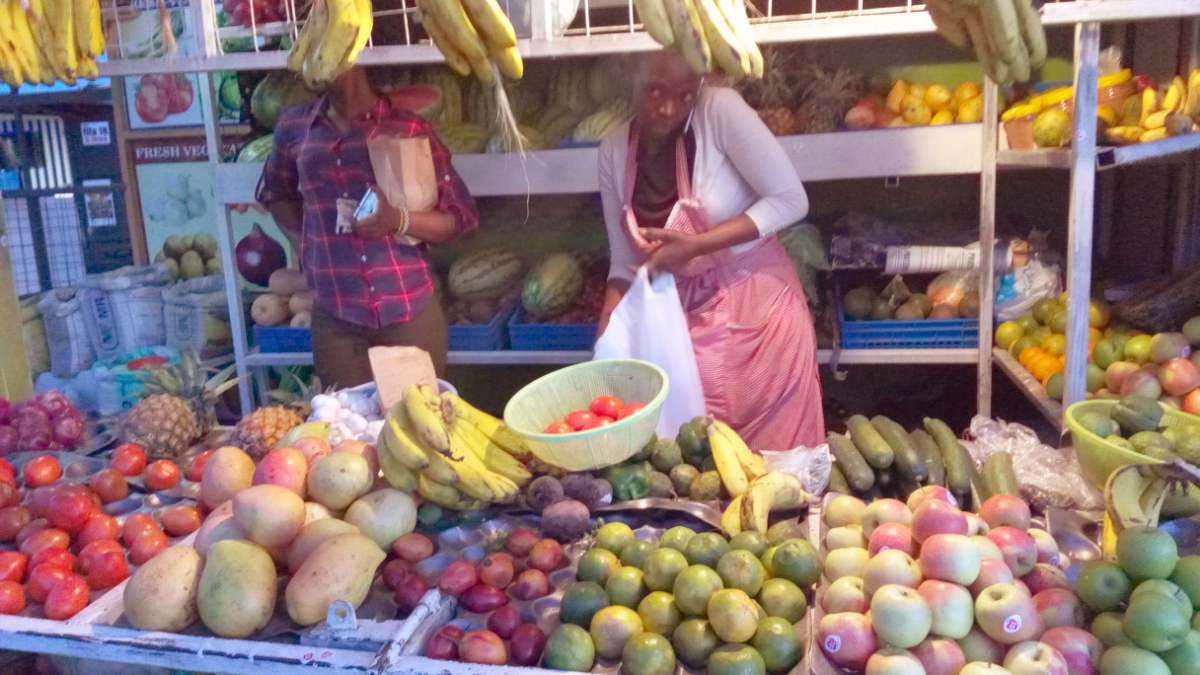
While sugar, mangoes, and white wheat flour prices declined slightly over the past month, these decreases were offset by rising prices for sukuma wiki, cabbages, and potatoes.
Sugar fell from Sh174.17 to Sh166.56 per kilogram, while mangoes declined from Sh149.09 to Sh144.37 per kilogram. In contrast, Irish potatoes rose from Sh98.25 to Sh102.16 per kilogram, and cabbage increased from Sh71.47 to Sh74.33.
While food prices rose, electricity costs fell. The cost of 50 units (KWh) declined by 2.9% from Sh1,304 in January to Sh1,265.96 in February. Kerosene prices also dropped from Sh154.96 to Sh153.96 per litre over the same period.
Petrol and diesel prices both decreased. Petrol fell from Sh183.59 to Sh179.35 per litre, and diesel dropped from Sh171.64 to Sh167.72 per litre.
The Kenya National Bureau of Statistics reported that core inflation, which excludes volatile items such as food, alcohol, and energy, fell to 2.1% in February, down from 2.2% in January.
The Central Bank of Kenya, which has an inflation target range of 2.5%–7.5% with a midpoint of 5%, said earlier that it expects inflation to remain below 5% in the near term. This outlook is supported by lower food prices, stable energy prices, and continued exchange rate stability.
Central Bank of Kenya said earlier this month after lowering the Central Bank Rate to 8.75%:
“Respondents to the January 2026 Agriculture Sector Survey expect stable pump prices, exchange rate stability, and favorable weather conditions with the expected onset of the long rains, to support a stable inflation rate in the near term.”
“However, a majority of respondents expect seasonal factors associated with the dry weather conditions before the onset of the long rains to exert moderate upward pressure on prices of some food items, particularly vegetables, and overall inflation.”
Officials at the Central Bank of Kenya cut interest rates by 0.25 percentage points to 8.75% at their February 10, 2026 meeting, concluding that there was room to ease monetary policy to encourage bank lending to businesses and support economic activity.